West Hampstead station carpet cleaning tips for commuters
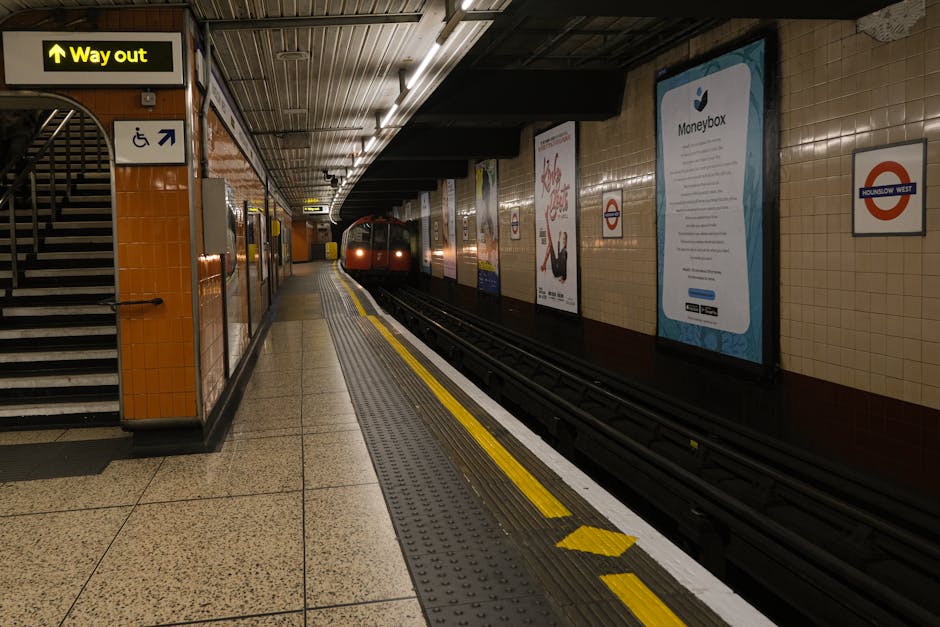
If you commute through West Hampstead station, you already know the routine: a quick dash for the train, a coffee in one hand, maybe a bit of rain on your coat, and then-annoyingly-whatever the pavements have collected ends up in your hallway carpet. That's where these West Hampstead station carpet cleaning tips for commuters come in. This guide is for people who need their carpets to look decent, dry fast, and survive the week without becoming a patchwork of mud, shoe marks, and mystery stains. Simple enough? Mostly. But the small habits make a big difference.
In our experience, commuter carpets don't usually need dramatic overhauls every time. They need a sensible system: stop dirt at the door, treat spills properly, and choose cleaning methods that fit around train timetables and real life. Below you'll find practical steps, common mistakes, and a few local-minded tips that actually help on busy London weekdays.
Why West Hampstead station carpet cleaning tips for commuters Matters
Station life leaves a mark. Not in a dramatic way, but in the slow, everyday sense: grit from the pavement, damp from umbrellas, crumbs from breakfast on the go, and the odd coffee drip when you're juggling your bag and Oyster card. If you live near the station or pass through it every day, your carpet sees more foot traffic than you may realise.
That matters for three very plain reasons. First, dirt is abrasive. Once it gets ground into fibres, vacuuming alone can only do so much. Second, moisture and spilled drinks can settle into underlay if they are not dealt with quickly, and that can lead to odours or discolouration. Third, a carpet that looks tired makes the whole home feel less fresh, even if everything else is tidy. You notice it when you walk in after a long day and the room feels a bit... off.
There's also the commuter rhythm to consider. You may not have time for long drying periods or complicated treatments during the working week. So the trick is not to clean more often for the sake of it. It is to clean smarter, in ways that fit a rushed household and still protect the carpet. That's the real point here.
For broader local cleaning advice, you may also find it useful to browse the latest West Hampstead cleaning articles and the West End Lane carpet cleaning guide, especially if your home sits on one of the busier routes in and out of the area.
How West Hampstead station carpet cleaning tips for commuters Works
Commuter-focused carpet care works by breaking the problem into small, manageable pieces. Instead of waiting until the carpet looks dirty overall, you deal with the daily sources of grime before they settle in. That means a mix of prevention, quick response, and periodic deeper cleaning.
Think of it like this: the outside world brings in the mess, your entrance catches most of it, and the carpet is the final line of defence. If that line is weak, the dirt spreads quickly. If it is organised, your carpet stays cleaner for longer and needs less aggressive treatment later on. Nice and boring. Which is exactly what you want from a carpet.
The process usually looks something like this:
- Trap dirt at the door. Mats, runners, and shoe habits reduce what reaches the pile.
- Vacuum with purpose. Regular vacuuming lifts dry grit before it embeds in the fibres.
- Treat spills fast. The first few minutes matter more than the fancy cleaner, truth be told.
- Use the right method for the carpet type. Wool, synthetic, loop pile, and blend carpets all behave differently.
- Allow proper drying. Good airflow prevents damp smells and keeps the room usable.
That last step is where many commuters get caught out. You can have a carpet cleaned beautifully at 8am and then ruin the effect by walking over it too soon. A little patience here saves a lot of irritation later.
Key Benefits and Practical Advantages
When carpet care is built around commuting habits, the benefits are practical rather than glamorous. But practical is good. Very good.
- Less visible dirt near entrances. This is where most commuter wear shows up first.
- Better indoor air feel. Dusty carpets can make a room feel stale, especially in smaller London flats.
- Longer carpet life. Less embedded grit means less fibre damage over time.
- Fewer emergency cleans. You stop chasing stains and start staying ahead of them.
- Faster weekday maintenance. A good system keeps cleaning jobs short and predictable.
- Cleaner first impression. Handy if you have guests, landlords, or clients coming over.
There's a quieter benefit too. A fresh carpet changes the feel of the whole place. You take your shoes off, step inside, and the room just feels more settled. That matters after a packed commute, especially on wet, grey days when everyone seems to bring half the pavement home.
Who This Is For and When It Makes Sense
This advice is most useful for people with regular foot traffic through a home near West Hampstead station, but it is not limited to that. If you live in a flat with a narrow hallway, share a house with multiple commuters, or work from home and notice constant entrance wear, the same principles apply.
It also makes sense if you have:
- light-coloured carpets that show dirt quickly
- children or pets adding to the daily mess
- a rental property where presentation matters
- a busy household where drying time is a real constraint
- commuter shoes that bring in grit, salt, or rainwater regularly
To be fair, there's no single "best" cleaning routine for everyone. A one-bedroom flat with one commuter is not the same as a shared house with six sets of shoes by the front door. But the logic stays the same: reduce what gets tracked in, clean small spills early, and choose methods that fit your schedule.
If you are comparing local support options, the company's services overview and carpet cleaning service page are useful starting points for understanding what is typically offered.
Step-by-Step Guidance
Here is a simple, realistic routine that works well for busy commuters. Nothing complicated. Just a sequence you can actually keep up.
1) Set up a proper landing zone
Put a tough mat outside if possible and an absorbent mat inside. Two mats are better than one, because one catches wet debris and the other catches the finer dust. If space is tight, choose the inside mat first. It does the heavy lifting.
2) Make shoe removal effortless
If people have to climb around a shoe rack or hunt for slippers, they won't bother. Keep it easy. Shoes off by the door, one basket or tray for the daily pair, and the rest stored out of the way. A small habit, big payoff.
3) Vacuum the high-traffic lane more often
The path from the front door to the kitchen or living room gets the most wear. Vacuum that route more frequently than the rest of the carpet. You do not need a full-home marathon every time. Focus on the corridor, the entrance, and anywhere commuters naturally drop bags or boots.
4) Deal with wet marks immediately
Blot, don't rub. Press with a clean cloth or paper towel to lift moisture and avoid spreading the stain. If there's mud, let it dry first and then lift it gently. Rubbing wet mud in is one of those classic mistakes that seems helpful for about five seconds and then becomes a regret.
5) Test any cleaner first
Whether you are using a shop-bought spray or a diluted solution, test it on a hidden section. Check for colour change, texture change, or residue. It sounds fussy, but carpet fibres can be surprisingly picky.
6) Use low-moisture cleaning where possible
Commuter households usually need quick turnaround. Low-moisture techniques, when suitable for the carpet type, can reduce drying time and help prevent that damp-room smell that nobody enjoys. If a deeper clean is needed, plan it for a day when windows can stay open and foot traffic can be controlled.
7) Finish with airflow
Open windows if weather allows, switch on fans, and keep people off the carpet until it is dry. This part is ordinary but absolutely essential. Clean carpet plus poor drying equals trouble. You know how it goes.
Expert Tips for Better Results
Small improvements add up quickly, especially in commuter homes where the same dirt sources repeat every day.
Use a repeatable entry routine. If the same two things happen every time someone comes in-shoes off, bag down, hands washed-your carpet gets a break. Habits beat motivation here.
Vacuum slowly, not just often. Speedy vacuuming looks productive, but slower passes give the machine more time to lift grit out of the pile. Especially on short-pile hallway carpets, this makes a noticeable difference.
Pay attention to under-door areas. These spots collect fine dust and tiny stones. They are easy to miss because they do not scream for attention, but they quietly do the damage.
Rotate furniture where practical. If a small area bears the same pressure day after day, pile flattening becomes obvious. Even a slight shift helps.
Keep a stain kit ready. A small cloth, plain white towels, a gentle carpet-safe cleaner, and a spoon or blunt edge for dried debris are usually enough. No need for a cupboard full of miracle products.
Book deeper cleaning around your commute patterns. If a treatment requires drying time, choose a day when you can avoid the room for a while. Friday evening into Saturday morning often works better than a rushed Tuesday. Slightly inconvenient, yes. But far less annoying than walking on half-dry carpet in socks.
For households that also deal with soft furnishings, upholstery cleaning in West Hampstead can be a sensible companion service, especially if chairs and sofas collect the same city dust as the carpet.
Common Mistakes to Avoid
Most carpet problems are not caused by one huge disaster. They come from lots of small missteps. A bit annoying, but fixable.
- Waiting too long to treat a spill. The longer a stain sits, the harder it becomes to remove cleanly.
- Using too much water. Soaking a carpet can push dirt deeper and slow drying.
- Scrubbing aggressively. That can fuzz fibres or spread the stain wider.
- Skipping vacuuming because the carpet "looks fine." Grit is often invisible at first.
- Ignoring hallway carpets. They may be smaller, but they take the hardest hit.
- Using a cleaner without checking the fibre type. Wool, in particular, deserves a bit of caution.
- Walking on damp carpet too soon. This can set in dirt and flatten the pile again.
One more subtle mistake: trying to solve every stain with the same method. Coffee, mud, grease, and salt marks behave differently. If you use one approach for everything, you'll probably save time at first and lose it later. Been there, seen it.
Tools, Resources and Recommendations
You do not need specialist gear to keep commuter carpets in good condition, but a few basic tools help a lot.
| Tool or resource | Why it helps | Best use |
|---|---|---|
| Quality vacuum cleaner | Lifts dry grit before it becomes embedded | Weekly cleaning and high-traffic areas |
| Doormat system | Reduces dirt at the entrance | Front doors and hallway entries |
| Microfibre cloths | Absorb moisture without rough rubbing | Immediate spill response |
| Carpet-safe stain cleaner | Helps treat common commuter marks | Spot cleaning after testing |
| Portable fan or open-window airflow | Speeds drying | After deeper cleans |
| Professional cleaning service | Useful for deep soil, odours, or large areas | Periodic refresh or problem spots |
If you are weighing up the value of a professional clean, the pricing and quotes page can help you understand what to expect, while customer reviews give a better sense of service quality than a polished sales pitch ever could.
You can also keep an eye on any current promotions if you are planning a clean around pay day, which, let's face it, is how many of us do household jobs in London.
Law, Compliance, Standards and Best Practice
For home carpet cleaning, there usually is not a dramatic legal checklist for the average commuter. Still, there are a few best-practice areas worth respecting. If you are using a professional service, you want clear communication, appropriate insurance, and sensible safety procedures. If cleaning is being done in a rented property or shared building, it is also wise to avoid anything that could damage flooring, electrics, or communal spaces.
In general UK practice, the sensible expectations are straightforward:
- Use products safely. Follow label instructions and keep cleaners away from children and pets.
- Avoid slip hazards. Wet carpets and hallways can be risky, especially in small homes.
- Protect materials. Check compatibility before treating wool or delicate fibres.
- Work with a reputable provider. Insurance, transparent terms, and a clear complaints route all matter.
If you want reassurance before booking, the company's insurance and safety information, health and safety policy, and terms and conditions are the most relevant pages to review. They help set expectations in plain English. That's always a good sign.
And if you are curious about the people behind the service, the about us page is a sensible stop. Trust is built in the details, not in flashy claims.
Options, Methods, and Comparison Table
Different carpets and lifestyles call for different approaches. For commuters, the best method is usually the one that balances cleaning power with drying time and convenience. Here's a simple comparison.
| Method | Best for | Pros | Trade-offs |
|---|---|---|---|
| Regular vacuuming | Daily dirt and grit | Quick, cheap, essential | Won't remove deep stains |
| Spot cleaning | Fresh spills and marks | Fast response, low disruption | Needs the right cleaner and technique |
| Low-moisture clean | Busy homes needing faster drying | Less downtime, practical for weekdays | May not suit every fibre or stain type |
| Deep professional clean | Heavy soil, odours, neglected areas | More thorough refresh | More drying time, needs planning |
There is no prize for choosing the "strongest" method. A commute-friendly routine is about matching the method to the mess. A fresh muddy footprint near the door does not need the same treatment as months of compacted grime in the hallway. That distinction saves time, money, and a fair bit of frustration.
Case Study or Real-World Example
Picture a West Hampstead flatshare with three commuters, one small hallway carpet, and a constant trickle of wet shoes from autumn through spring. By Thursday evening, the entrance looks dull. Not filthy exactly, just tired. There's a faint salt line by the door, a bit of grey around the edges, and the carpet near the kitchen feels flatter than the rest.
The household makes a few modest changes. They add an absorbent inside mat, store shoes in a tray instead of a pile, and vacuum the hallway every other evening rather than waiting for the weekend. When a coffee splash happens on the way out, it gets blotted immediately instead of being "dealt with later" - which, as we all know, usually means never.
After that, they schedule a deeper clean for a day when nobody needs to be home until late. They keep the windows open for airflow and avoid walking over the area too soon. The result is not just a cleaner carpet. The hallway feels brighter, the flat smells fresher, and they stop noticing the entrance every time they come back from work. That kind of quiet improvement is easy to underestimate.
If your home has a similar rhythm, this approach usually works better than waiting for a full reset. Small changes. Consistent ones. Bit by bit, the carpet holds up much better.
Practical Checklist
Use this checklist to keep commuter carpet care simple and repeatable:
- Place an indoor and/or outdoor mat at the main entrance
- Ask everyone to remove shoes promptly
- Vacuum the hallway and entrance path regularly
- Keep a small stain kit ready near the door or cleaning cupboard
- Blot spills immediately rather than rubbing them
- Test carpet cleaners on a hidden area first
- Avoid soaking the carpet with excess water
- Allow enough drying time before normal foot traffic returns
- Check carpet fibre type before using stronger products
- Book a deeper clean when surface care is no longer enough
Simple list, yes. But honestly, simple is usually what survives a commuter schedule.
Get a free quote today and see how much you can save.
Conclusion
West Hampstead station carpet cleaning tips for commuters are really about making home life easier, not adding another chore to your week. If your carpet gets hit by rain, grit, shoes, and the occasional hurried spill, a small preventative routine will do more good than occasional panic cleaning. Focus on the entrance, act fast on stains, and choose methods that dry quickly enough for normal life.
When you keep things realistic, carpets last longer and your home feels calmer. And that calm matters, especially after a packed commute home when the last thing you want is to stand in the hallway thinking about mud. Nobody needs that.
For a few more local ideas and home-care reads, you might also enjoy the site's piece on unwinding in Hampstead and Hampstead lifestyle perspectives from residents if you want a broader feel for the area and the kind of home routines local people tend to value.
Little by little, a cleaner entrance becomes a more peaceful evening. And that is worth quite a lot.
Frequently Asked Questions
What are the best West Hampstead station carpet cleaning tips for commuters with muddy shoes?
Start with a strong entrance routine: use mats, remove shoes at the door, and blot mud after it dries rather than scrubbing it wet. Mud is much easier to lift once it has set slightly.
How often should commuters vacuum hallway carpets?
For busy entrances, vacuuming two or three times a week is often sensible, with extra attention after wet weather. If foot traffic is heavy, more frequent vacuuming may be worthwhile.
What is the fastest way to clean a carpet after a coffee spill before work?
Blot the spill with a clean cloth, avoid rubbing, and use a carpet-safe cleaner only if needed after testing it in a hidden spot. Keep the area as dry as possible so you can leave quickly without spreading the stain.
Can I deep clean my carpet and still use the room the same day?
Sometimes, but it depends on the cleaning method, carpet type, ventilation, and weather. Low-moisture approaches are more commuter-friendly, while wetter methods usually need longer drying time.
Are there special carpet care issues in flats near a station?
Yes. Station-adjacent homes often pick up more grit, moisture, and daily foot traffic, especially in hallways and near entrances. That means entrance protection and regular vacuuming matter more than in quieter locations.
Do wool carpets need different cleaning advice for commuters?
They do. Wool can be more sensitive to harsh cleaners and excess water, so gentle products and careful testing are especially important. If in doubt, use a method suited to delicate fibres.
What tools should I keep at home for quick carpet cleaning?
A good vacuum, microfibre cloths, a small stain cleaner, and an absorbent mat are the essentials. A portable fan is helpful too if you need faster drying after a deeper clean.
How do I stop dirt from West Hampstead station being tracked into my carpet?
Create a simple barrier at the door. Mats, shoe removal, and a place to put bags down without stepping further into the home all reduce the amount of dirt that reaches the carpet.
Is professional carpet cleaning worth it for commuter households?
Usually, yes, when regular vacuuming and spot cleaning are no longer enough. Commuter homes often benefit from periodic deeper cleaning because the same high-traffic areas get worn faster.
What should I check before booking a carpet cleaner?
Look for clear pricing, appropriate safety and insurance information, and straightforward terms. It's also helpful to check reviews so you know how the service is handled in real-world use.
How can I make carpet cleaning fit around a busy work schedule?
Choose short maintenance habits during the week and leave deeper cleaning for a quieter day. A Sunday afternoon or a low-commitment evening can be enough if you plan drying time properly.
Where can I find more information about services and support?
You can explore the company's services overview, pricing and quotes, and reviews for a clearer picture of what to expect.