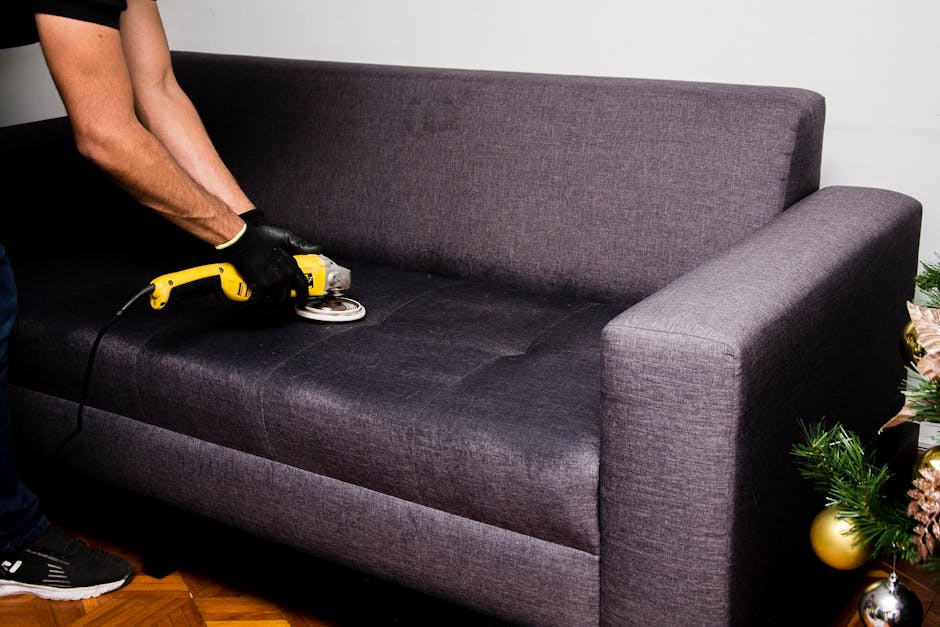
Fortune Green upholstery cleaning tips for NW6 flats
If you live in a NW6 flat, you already know the pattern: the sofa takes the daily hits, the armchair catches the coffee, and the hallway furniture somehow picks up dust even when the windows stay shut. Fortune Green homes, especially flats, tend to be compact, well-used, and a little awkward to clean around the edges. That is exactly why practical Fortune Green upholstery cleaning tips for NW6 flats matter. The aim here is simple: help you keep fabric and leather furniture looking fresh without creating damp, residue, or a bigger mess than the one you started with.
This guide is designed for real London living. Not showroom living. Not perfect living. Real life with limited space, narrow stairs, shared entrances, and somewhere to put a wet cushion while you wait for it to dry. You'll find a clear method, common mistakes to avoid, and a few sensible ways to decide when DIY is enough and when a professional upholstery clean makes more sense.
Table of Contents
- Why Fortune Green upholstery cleaning tips for NW6 flats Matter
- How Fortune Green upholstery cleaning tips for NW6 flats Works
- Key Benefits and Practical Advantages
- Who This Is For and When It Makes Sense
- Step-by-Step Guidance
- Expert Tips for Better Results
- Common Mistakes to Avoid
- Tools, Resources and Recommendations
- Law, Compliance, Standards, or Best Practice
- Options, Methods, or Comparison Table
- Case Study or Real-World Example
- Practical Checklist
- Conclusion
- Frequently Asked Questions
Why Fortune Green upholstery cleaning tips for NW6 flats Matters
Upholstery in flats gets dirty differently from furniture in bigger houses. In NW6, many homes have tighter rooms, fewer storage options, and more day-to-day contact with the same seating. That means oils from skin, dust, cooking residue, pet hair, and drink spills build up faster than people expect. A sofa can look "fine" for months, then suddenly feel tired, smell a little stale, and start holding on to grime in a way you notice only once sunlight hits it in the afternoon. Annoying, really.
Fortune Green is a busy, lived-in part of London, and flats there often need cleaning routines that respect shared living conditions. You may not have outdoor space for airing cushions. You may be working around landlords, flat inspections, or just a tiny drying area beside a radiator. Good upholstery care helps furniture last longer, keeps the home feeling calmer, and avoids that damp-then-musty smell that can creep in after a poor clean.
There's also a practical side. Furniture replacement is expensive, and in a flat you often rely on a sofa, dining chairs, or an occasional chair doing a lot of heavy lifting. Clean upholstery is not just about looks. It's about comfort, hygiene, and getting more years from what you already own.
Key takeaway: In NW6 flats, the best upholstery cleaning approach is usually the one that removes dirt effectively, uses minimal moisture, and dries quickly enough to suit a compact home.
How Fortune Green upholstery cleaning tips for NW6 flats Works
At a practical level, upholstery cleaning works by loosening soils, lifting them from the fabric or leather surface, and removing them before they settle back in. The tricky part is that upholstery is not one material. A cotton-blend sofa behaves very differently from a velvet chair, a wool mix, or a leather armrest. That is why "just scrub it" is not a strategy. It is more like a fast route to a patchy finish.
For most flats, the process starts with inspection. Check the care label if there is one. Look at the fabric type, note stains, and identify whether the piece has loose covers, cushion zips, or areas that trap crumbs and dust. Then decide on the least aggressive method that will do the job. For many everyday fabrics, that means vacuuming thoroughly, spot testing a mild cleaner, and using very controlled moisture. For delicate textiles, a dry or low-moisture method is often safer.
In a flat setting, drying time matters almost as much as cleaning power. Too much water can soak into padding and stay there. That leads to odours, slow drying, and sometimes visible tide marks. So the "how it works" part is really a balancing act: clean enough to remove grime, gentle enough to protect the fabric, and dry enough to suit apartment living. Simple in theory. Less simple in practice.
If you are comparing professional options, it helps to read a broader services overview before deciding whether your furniture needs light maintenance or a more thorough treatment. And if you want a deeper look at the dedicated service side, the page for upholstery cleaning in West Hampstead gives a useful sense of what a specialist approach can include.
Key Benefits and Practical Advantages
The benefits of regular upholstery cleaning are easy to see once you start paying attention to the texture and smell of your furniture. Clean fabric feels softer. Colours look less dull. Rooms smell fresher. And because dirt is not rubbing into the fibres every day, wear tends to slow down. That last point matters in flats, where a single sofa can be the social centre of the home.
- Better appearance: Freshly cleaned upholstery looks brighter and less tired, even before you redecorate anything else.
- Improved comfort: Removing dust and residue often makes seating feel cleaner and more pleasant to use.
- Longer furniture life: Regular care helps reduce fibre damage caused by grit, body oils, and embedded debris.
- Odour control: Food smells, pet smells, and general flat living can cling to upholstery more than people expect.
- Cleaner indoor environment: Dust, crumbs, and allergens trapped in seating are easier to manage when you stay on top of maintenance.
- Better end-of-tenancy presentation: For renters, tidy furniture can support a smoother handover and a better overall impression.
There is a quiet confidence that comes from walking into a room and seeing a sofa that looks cared for. You notice it straight away, even if you can't quite explain why. The flat simply feels more together.
For residents who are preparing to move or refresh a home between tenancies, it can also help to understand how upholstery care fits alongside end of tenancy cleaning in West Hampstead and general domestic cleaning. The whole place tends to look better when the soft furnishings are not letting the side down.
Who This Is For and When It Makes Sense
This advice is for anyone in a NW6 flat who wants cleaner, longer-lasting furniture without guesswork. That includes tenants, homeowners, landlords, letting agents, and anyone who has just inherited a second-hand sofa that looks "okay" but smells a bit like its past life. Let's be honest, that happens more often than people admit.
It makes sense to act sooner rather than later if you notice any of these signs:
- the fabric looks flat or grey compared with the surrounding room;
- there are visible rings from drinks or cleaning attempts;
- the sofa smells stale after closed-window weather;
- pets have been on the furniture regularly;
- there are crumbs, dust, or hair trapped in seams and folds;
- a landlord inspection or move-out is coming up;
- you've had one spill that keeps reappearing after it dries.
If you are in a small flat and already juggling laundry, work, and general life admin, a professional clean can save time and reduce risk. The same is true if the upholstery is valuable, delicate, or sentimental. There's no prize for trying to heroically remove a wine stain from silk-blend fabric at 11 p.m. with a dish sponge. We've all seen that movie. It does not end well.
On the other hand, if your furniture only needs light maintenance, a careful DIY routine may be enough between deeper cleans. The trick is knowing where that line sits.
Step-by-Step Guidance
Here is a sensible way to clean upholstery in a NW6 flat without creating avoidable problems. Keep it calm. Keep it measured.
1. Read the care label and inspect the piece
Start by checking for any manufacturer guidance. Labels often indicate whether the fabric can tolerate water-based cleaning, solvent-based cleaning, or only vacuuming and professional care. If the fabric looks crushed, faded, or already weak at the seams, tread carefully.
2. Vacuum properly before using any cleaner
Use a crevice tool to remove dust from seams, buttons, under cushions, and along the back edge. This matters more than people think. If you skip this step, dry particles can smear into the fabric when moisture is added. A proper vacuum pass takes a few minutes, but it saves a lot of grief.
3. Test a hidden area first
Always test your chosen cleaner on a hidden section, such as the back or lower side of the item. Wait for it to dry fully. A fabric can look fine when wet and still discolour, water-spot, or stiffen afterwards. That is why a test patch is not optional.
4. Treat stains individually
Do not attack the whole sofa just because one cushion has a mark. Dab spills rather than rubbing them. Work from the outside of the stain inward. Use a clean white cloth where possible, so you can see if colour is transferring. Coffee, tea, food grease, and makeup all behave differently, so the solution should match the stain type.
5. Use minimal moisture
In flats, less is usually more. Lightly dampen the fabric rather than soaking it. If the surface feels wet for long, you may have used too much. Aim for clean, not drenched. Padding underneath should stay as dry as possible.
6. Dry the upholstery quickly and evenly
Open windows if weather allows, use gentle airflow, and avoid sitting on the piece until it is fully dry. In a small room, cushions can take longer to dry in the middle than at the edges, so rotate them if the design allows. If it is a cold evening in Fortune Green, drying can take patience. There's no way around that.
7. Reassemble and finish with a final vacuum
Once dry, vacuum again to lift any loosened debris and restore the texture. This step often improves the finish more than you'd expect. It helps fibres sit properly and removes the last bits of loosened fluff.
Expert Tips for Better Results
A few small habits can make a surprising difference. In our experience, the best upholstery results come from consistency, not dramatic one-off efforts.
- Blot first, clean second. Fresh spills respond better when they are lifted quickly with a cloth before they set.
- Use soft brush strokes. A gentle upholstery brush can help dislodge dust without roughing up the fibres.
- Mind the sun. Direct sunlight through a flat window can fade some fabrics after cleaning, especially if one cushion dries facing the glass and another does not.
- Work cushion by cushion. It keeps the job manageable and helps you track drying.
- Control the room temperature. Mild warmth and air movement usually help; heavy heat can cause shrinkage or uneven drying.
- Take note of problem areas. Headrests, armrests, and seat fronts collect body oils first. Those spots often need extra care.
One overlooked tip: if your flat is very compact, clean earlier in the day. It sounds obvious, but it gives you more drying time and less temptation to sit on a just-cleaned armchair because the evening film started at seven. That tiny bit of planning saves a lot of awkwardness.
If you want ongoing support beyond a single clean, browsing the latest posts in the blog can help you build a more regular cleaning routine around your home life in NW6.
Common Mistakes to Avoid
Most upholstery problems come from enthusiasm, not neglect. People want fast results, and that's understandable. But upholstery rewards restraint.
- Rubbing stains aggressively: This can spread the mark and damage the pile or weave.
- Using too much water: Over-wetting can create odours, shrinkage, and slow drying inside cushions.
- Skipping the test patch: A cleaner that works on one fabric can ruin another.
- Mixing products: Combining different cleaners can leave residue or unpredictable results.
- Forgetting hidden areas: Dirt builds up under cushions, in seams, and behind arms.
- Cleaning only when it looks bad: Waiting too long makes build-up harder to shift.
- Using a strong smell as proof of cleanliness: A fresh scent does not mean the fabric is actually clean. It just smells nicer, that's all.
Another common issue in flats is poor ventilation. A closed room can hold moisture for hours, especially in cooler months. If you can't air the space properly, keep cleaning efforts lighter and more targeted.
Tools, Resources and Recommendations
You do not need a van full of kit to keep upholstery in decent shape. A few well-chosen tools are usually enough for routine care.
| Tool or product | Best use | Why it helps in a flat |
|---|---|---|
| Vacuum with upholstery attachment | Removing dust, crumbs, hair, and grit | Fast, dry, and easy to store |
| Soft upholstery brush | Lifting surface dust and refreshing fibres | Gentle on fabrics and simple to use |
| Microfibre cloths | Blotting spills and applying small amounts of cleaner | Reusable and compact |
| White absorbent cloths | Spot treatment and stain removal | Lets you see transfer clearly |
| Fan or open-window airflow | Drying | Essential when space is tight |
| Appropriate upholstery cleaner | Targeted cleaning based on fabric type | Reduces guesswork |
If you are unsure which method suits your furniture, the safest route is often to choose a service that focuses specifically on fabric care. You can also compare support options through the site's pricing and quotes page if you are weighing up DIY time against a professional clean. And if trust matters to you, which it should, the reviews page is a sensible place to look at how other customers describe their experience.
For people who value practical household help more broadly, the wider house cleaning and carpet cleaning pages can also be useful reference points when planning a full refresh.
Law, Compliance, Standards, or Best Practice
Upholstery cleaning is usually a practical household task, but a few standards and safety principles still matter. If you are a tenant, follow your tenancy agreement and avoid causing damage through over-wetting, harsh chemicals, or unsafe cleaning methods. If you are a landlord or letting agent, it is sensible to maintain furniture in a condition that is safe, clean, and fit for use between occupancies.
For most residents, the main best-practice principles are straightforward:
- follow product instructions carefully;
- test cleaners before wider use;
- avoid mixing chemicals;
- keep rooms ventilated while cleaning and drying;
- store products safely away from children and pets;
- use professional help for delicate, antique, or high-value items;
- treat electrical components, mechanism chairs, and fixed upholstery with extra caution.
It is also sensible to work with a provider that takes safety seriously. Pages such as insurance and safety and the health and safety policy can help you judge whether a company has thought through the risks properly. That kind of reassurance matters, especially when someone is working in your home and around your furniture.
If privacy and payments are on your mind, those are fair questions too. You can look over privacy information and payment and security details before booking anything. It's just sensible housekeeping, really.
Options, Methods, or Comparison Table
Different upholstery cleaning methods suit different fabrics and levels of dirt. The best choice depends on how delicate the furniture is, how much time you have, and whether the flat can support a proper drying period.
| Method | Best for | Advantages | Limitations |
|---|---|---|---|
| Vacuum-only maintenance | Light dust and regular upkeep | Quick, safe, no drying time | Won't remove embedded stains |
| Spot cleaning | Fresh spills and small marks | Targeted, low disruption | Can leave rings if overused |
| Low-moisture upholstery cleaning | Everyday fabric furniture in flats | Faster drying, reduced water risk | May need repeated attention |
| Deep professional clean | Heavily used or stained upholstery | More thorough, better finish | Usually requires planning and drying time |
| Specialist treatment for delicate materials | Velvet, silk blends, antique pieces, leather | Reduced damage risk | Needs expertise and careful handling |
For many NW6 flats, a mix of maintenance and occasional deep cleaning works best. That approach keeps the furniture looking good without turning every spill into a weekend project. And honestly, nobody wants every Saturday to become "Sofa Day."
Case Study or Real-World Example
Imagine a one-bedroom flat in Fortune Green with a cream two-seater sofa, a fabric dining bench, and a cat who claims the armchair as a personal throne. The sofa has a few old tea marks, the bench has some faint grease from takeaway nights, and the chair smells slightly dusty when the heating comes on. Nothing dramatic, but enough to notice.
The owner starts with thorough vacuuming, then tests a gentle cleaner on the underside of the sofa. The tea marks lighten, but one side dries a shade darker because too much solution was used there. Rather than pushing on, they slow down, rework the area more lightly, and let it dry with the window open and a fan nearby. The bench gets a careful spot treatment, while the chair is brushed and vacuumed rather than soaked. The result is not showroom-perfect. It is better than that. It looks lived-in, clean, and believable.
That is the real lesson here. In flats, success is usually about small controlled improvements. Not dramatic transformations. A careful routine beats a heroic one.
Practical Checklist
Use this checklist before and after cleaning upholstery in your NW6 flat.
- Identify the fabric type and check the care label.
- Vacuum seams, creases, and under cushions first.
- Test any cleaner on a hidden area.
- Use the smallest amount of moisture needed.
- Blot stains instead of rubbing them.
- Allow enough airflow for drying.
- Keep people and pets off the furniture until fully dry.
- Re-vacuum or brush once dry.
- Inspect for rings, stiffness, or lingering odour.
- Book a professional clean if the item is delicate, heavily stained, or slow to dry.
Expert summary: If your flat is compact and your furniture works hard, the safest upholstery routine is careful vacuuming, targeted spot treatment, low moisture, and solid drying time. That combination solves more problems than harsh products ever will.
Conclusion
Fortune Green upholstery cleaning tips for NW6 flats are really about balance. Clean enough to keep the furniture fresh, gentle enough to protect the fabric, and practical enough for apartment life. If you keep moisture under control, test before treating, and give yourself enough drying time, you will avoid most of the issues people run into with upholstery care.
For a lot of NW6 residents, the smart move is a mix of regular maintenance and occasional specialist help. That way the flat stays comfortable, the furniture lasts longer, and you don't end up scrubbing cushions at midnight wondering where it all went wrong. Been there, or at least close enough.
If you want a cleaner home, clearer air, and furniture that feels looked after rather than patched up, start with the basics and build from there. Small habits really do add up.
Get a free quote today and see how much you can save.
And if you are also exploring the wider local picture, a bit of light reading about unwinding in Hampstead or Hampstead lifestyle perspectives can be a nice reminder that a well-kept home supports a calmer day-to-day life. Small things, but they matter.
Frequently Asked Questions
How often should upholstery be cleaned in a NW6 flat?
For most flats, light maintenance should happen weekly and a deeper clean every so often depending on use. Homes with pets, children, or heavy traffic may need more frequent attention. If the sofa looks dull or starts holding smells, that is usually a sign it needs a proper clean sooner rather than later.
Can I clean upholstery myself in a small flat?
Yes, if the fabric is suitable and the marks are light. Vacuuming, careful spot cleaning, and controlled drying are usually fine for everyday maintenance. The main risk is using too much water or the wrong cleaner, especially where ventilation is limited.
What is the safest way to remove a fresh spill?
Blot it immediately with a clean cloth, working gently from the outside inward. Do not rub. Rubbing can drive the spill deeper into the fibres and spread it across a larger area. For sticky or greasy spills, a follow-up spot treatment may be needed.
Are steam cleaners suitable for all upholstery?
No. Steam can damage certain fabrics, distort fibres, or cause over-wetting. Some upholstery can handle professional hot water extraction or steam-like processes, but others cannot. Always check the care label and test first.
Why does my sofa look worse after cleaning?
That often happens when too much cleaner or water has been used, or when the fabric dried unevenly. Tide marks, stiffness, and shadowing can appear if moisture sits in the fabric too long. It usually means the method needs adjusting, not that the furniture is beyond saving.
How do I stop upholstery from smelling stale in a flat?
Vacuum regularly, open windows when weather allows, and clean spill areas quickly. Stale smells often come from trapped dust, body oils, pet hair, or poor drying after spot cleaning. A deep clean can help if the smell has settled into the fibres.
Is professional upholstery cleaning worth it for rented flats?
Often, yes. It can be especially useful before inspections, at the end of a tenancy, or when furniture is too delicate for DIY treatment. It may also save time and reduce the chance of accidental damage.
What fabrics need extra care?
Velvet, silk blends, wool-rich fabrics, antique pieces, and some leather finishes need a gentler approach. These materials can mark, flatten, or water-spot more easily than standard fabrics. If in doubt, use the mildest method or get advice before cleaning.
How long should upholstery take to dry?
Drying time varies depending on the method, fabric, room temperature, and airflow. In flats, poor ventilation can make the process slower. As a rule, the piece should feel fully dry before you use it heavily again.
What should I ask before booking a professional upholstery clean?
Ask what cleaning method they use, whether they inspect the fabric first, how they handle stains, what drying time to expect, and whether they are insured. It is also sensible to ask about pricing, availability, and any preparation needed before the visit.
Can upholstery cleaning help with allergies?
It can help reduce dust, crumbs, and other debris that build up in fibres. While it is not a medical treatment, cleaner upholstery often supports a fresher indoor environment. Regular vacuuming is especially useful between deeper cleans.
What if my furniture is already badly stained?
Do not keep scrubbing harder. That usually makes the problem worse. If stains are old, set in, or spread across a large area, a specialist clean is often the safest next step. A professional can assess whether the fabric can be improved without causing damage.